By Rob Simmonds, Enterprise Architect at Paydock
As consumers, we often take for granted the complex infrastructure that enables us to buy goods and services seamlessly, whether online or in person. The convenience of instant payments and a multitude of payment options has become part of daily life. However, this perception of reliability quickly disappears the moment there is a failure in the system. Payment outages expose just how dependent we are on a handful of payment providers and technologies that power commerce across the globe.
The Impact of Payment Outages
When a payment system goes down, it is not just an inconvenience. Payment outages can affect millions of consumers and thousands of merchants, often rendering them unable to make or receive payments for extended periods. This can have serious implications for businesses, especially those relying heavily on digital transactions.
From a consumer’s perspective, an outage can lead to frustration and inconvenience. But for merchants, a payment outage can translate into real financial loss and reputational damage. According to research, online merchants lose 62% of customers who experience a failed online transaction. These are customers who often do not return, choosing instead to shop elsewhere where they feel their transaction will be more reliable.
Whether caused by technical glitches, software errors, or infrastructure failures, payment outages are a growing concern in today’s interconnected financial landscape. These outages can range from a single payment gateway being unavailable to a full-scale national incident.
According to research, online merchants lose 62% of customers who experience a failed online transaction.
Real-World Examples of Payment Outages
To understand the scale and impact of payment outages, we can look at several notable incidents:
In Australia, a significant outage involving Osko was triggered by a technical fault within the New Payments Platform (NPP), managed by the Reserve Bank of Australia. This single incident disrupted services across 85 banks.
In the UK, earlier this year, a “scheduled software update” led to widespread disruption in Mastercard transactions, with payments being declined across the country for several hours.
A more historical example includes the Royal Bank of Scotland (RBS) in 2012, where a software upgrade to its mainframe batch system failed. This outage delayed payments for over 6 million customers for several weeks, impacting wages, bills, and personal transactions.
These events highlight how widespread the effects of payment outages can be, regardless of the size of the institution or the supposed reliability of the service.
The Hidden Risks in Everyday Transactions
It’s not always national-scale incidents that cause disruption. There are many steps involved between a customer making a purchase and the merchant receiving the funds. Each step involves multiple systems, processors, and gateways. If even one link in this payment chain experiences an outage, it can prevent a transaction from being completed.
As a merchant, this means relying solely on a single payment provider or gateway increases your vulnerability to outages. The question is: what do you do when your payment provider has an outage? How can you protect your business and your customers from disruption?
Mitigating the risk with Payments Orchestration
This is where payments orchestration comes into play. At Paydock, we provide a powerful orchestration layer that gives you control, flexibility, and resilience in your payments infrastructure.
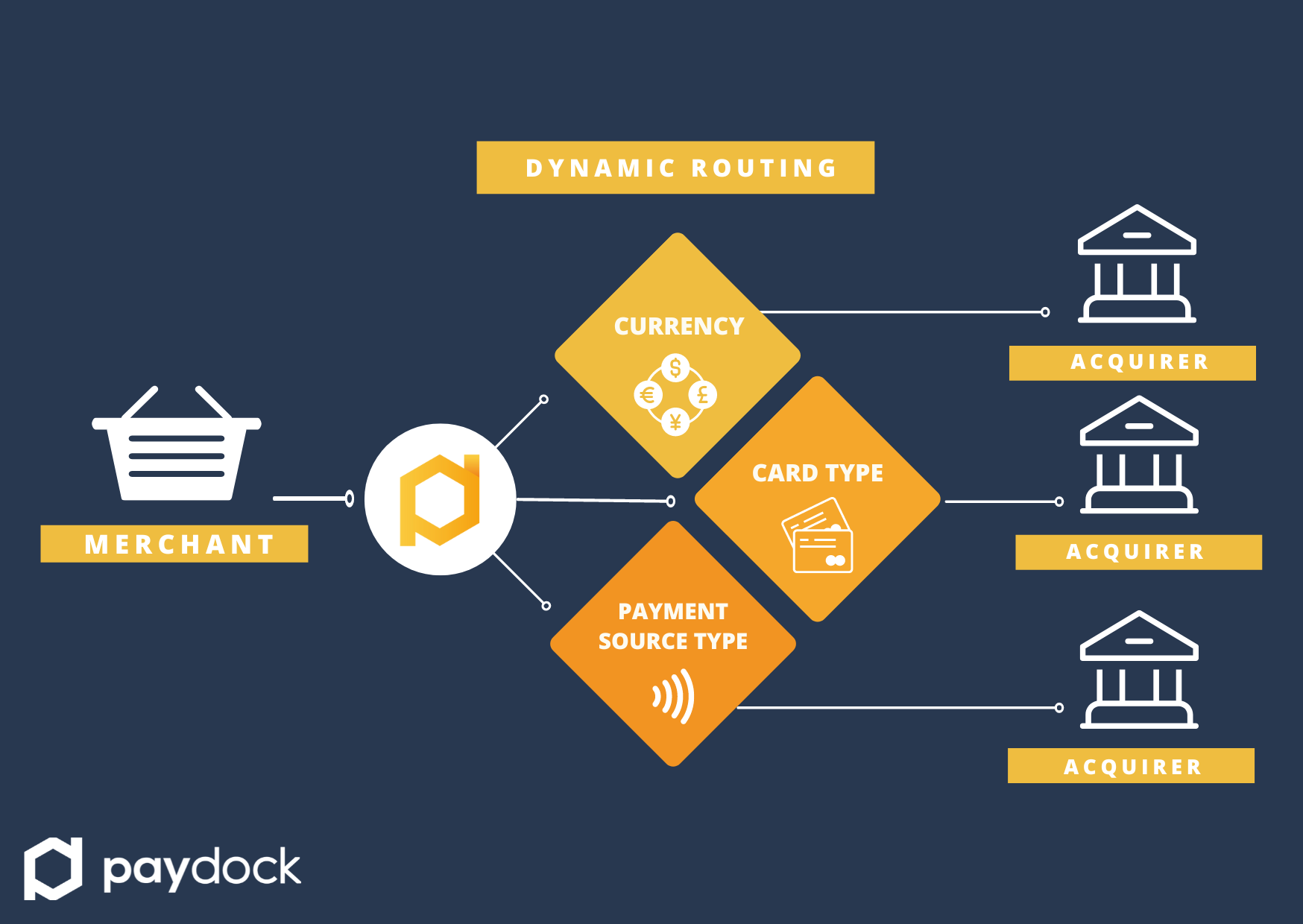
Our intelligent Routing Engine can be configured to dynamically route payments through alternative gateways when your primary provider experiences an issue. This approach helps maintain continuity of service during payment outages and ensures a higher payment success rate, reducing cart abandonment and customer frustration.
With Paydock, businesses are empowered to offer multiple payment methods directly within the shopping cart. This not only improves customer experience but also enables automatic failover in the event of a gateway or network failure. In short, a payment outage does not have to result in a business outage.
Flexible Routing for Business Continuity
Downtime is a reality, but it doesn’t have to stop your business. Paydock’s Routing Engine enables routing decisions based on:
- Card type
- Currency
- Payment method
- Gateway availability
- Service level agreements
This level of flexibility ensures that your customers have reliable payment options even during technical issues. By routing transactions through the most appropriate and available channel, you maintain transaction flow and customer trust during payment outages.
This intelligent payment routing allows you to protect your revenue, improve payment success rates, and provide a more consistent user experience. For businesses processing high volumes of transactions, or operating across multiple regions, this can make a critical difference.
Learn more about Paydock’s Routing Engine in our demo video below!
Why Paydock?
Paydock exists to help merchants like you build resilient payment systems that adapt to the real-world challenges of modern commerce. We understand the risk that payment outages present and offer tools that not only reduce that risk but give you back control over your payments infrastructure.
Whether you are a growing eCommerce brand, a large enterprise, or a platform provider, Paydock’s payment orchestration capabilities enable you to operate with confidence, even when others fail.
We work closely with merchants to ensure that their payments stack is robust, scalable, and designed with redundancy in mind. Outages are no longer a reason to lose customers or suffer financial losses.
If you want to discover how Paydock can reduce the risk of payment outages for your business, speak to one of our payment experts today at [email protected].
FAQ
What is a payment outage and how does it affect my business?
A payment outage occurs when a payment system, gateway or network becomes unavailable, preventing customers from completing transactions. For businesses, payment outages can lead to lost revenue, increased cart abandonment, and damage to customer trust. Even short disruptions can have long-term impacts on customer loyalty and business performance.
How can I protect my business from payment outages?
You can reduce the risk of payment outages by using a payments orchestration platform like Paydock. By routing transactions through multiple payment gateways and enabling automatic failover, your business remains operational even when one payment provider experiences issues. This ensures higher payment success rates and a more reliable customer experience.
Can payment outages be avoided completely?
While it is difficult to avoid payment outages entirely, the risk can be significantly reduced with the right infrastructure. Payments orchestration allows businesses to minimise disruption by routing transactions based on gateway availability, payment type or currency. This means even if one system fails, your customers can still complete their purchases through an alternative route.
What industries are most affected by payment outages?
Any business that relies on digital payments can be affected by payment outages, but the impact is especially severe in eCommerce, retail, hospitality and subscription services. These industries depend on high transaction volumes and customer convenience, making uninterrupted payment processing critical. Implementing routing and failover solutions helps maintain service even during outages.